

Bob Marshall Wilderness Foundation: Building Donor Trust Through Strategic Direct Mail
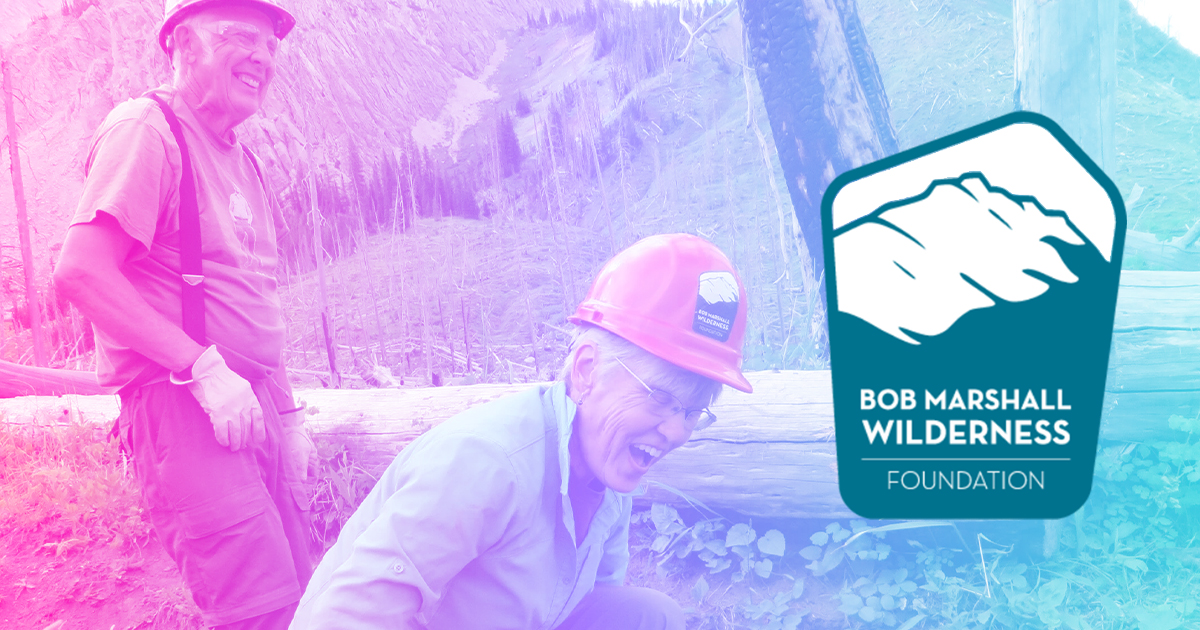
The Bob Marshall Wilderness Complex spans 1.6 million acres across northwest Montana—a territory so vast that the conservation work happening there remains largely invisible to the public who benefits from it. This presents a unique challenge for the Bob Marshall Wilderness Foundation (BMWF): How do you maintain donor trust and engagement when your mission unfolds miles from the nearest road?
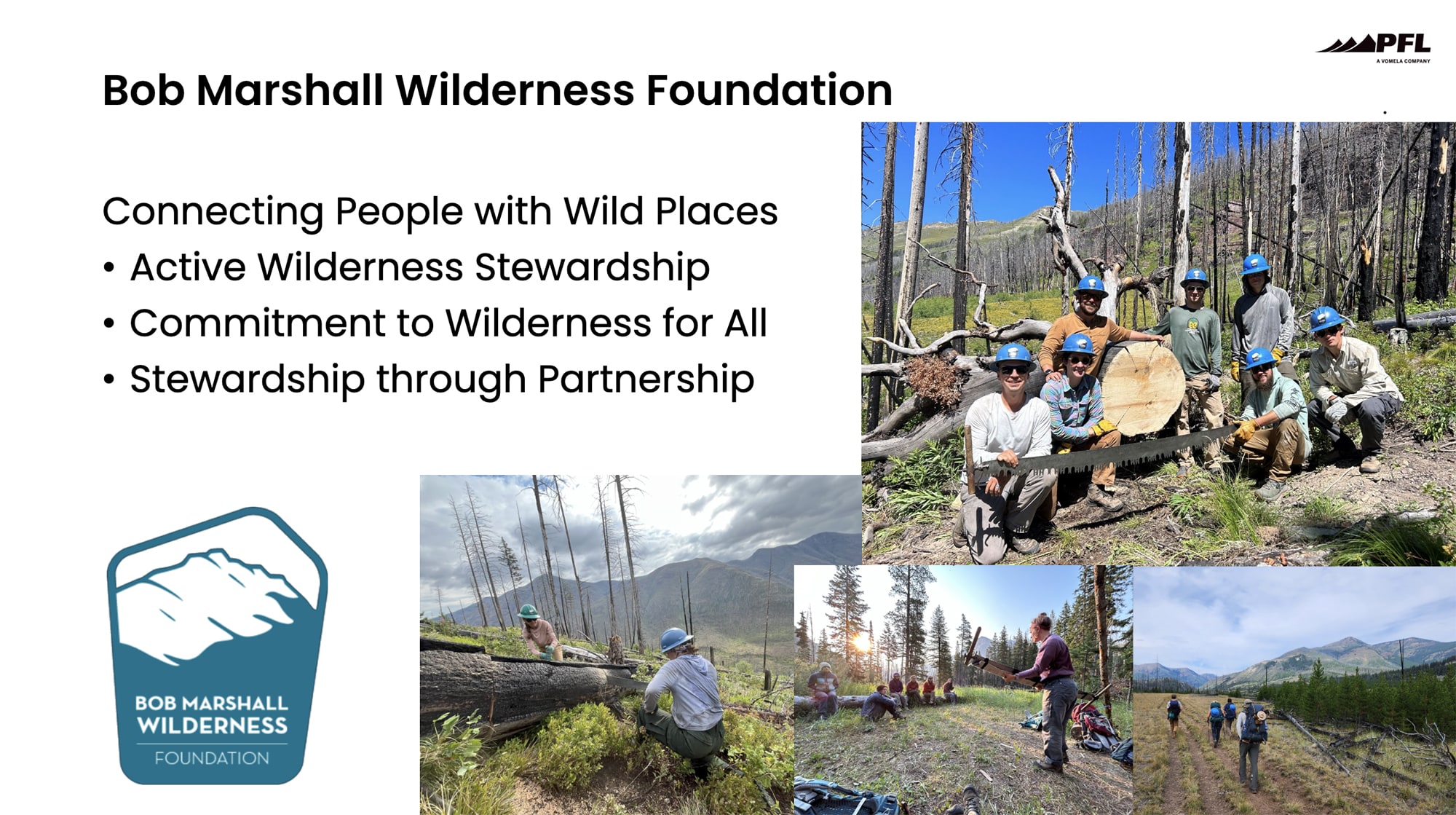
Since 1997, BMWF has partnered with the U.S. Forest Service to maintain access and provide stewardship for "the Bob," as locals call this federally designated wilderness area south of Glacier National Park. Their volunteer crews have cleared and improved more than 10,000 miles of trail, with 2025 alone seeing 35 volunteer adventure trips engaging nearly 400 participants. Yet most beneficiaries—the hikers using cleared trails, the wildlife inhabiting restored habitats—never witness this work firsthand.
This “invisibility” problem led BMWF to develop a sophisticated direct mail strategy that serves as a bridge between remote wilderness work and supporter engagement. As Operations Director Allison Siems explained during a recent webinar with PFL, their approach treats direct mail not as a fundraising vehicle but as a primary tool for storytelling and relationship building.
The Strategic Framework
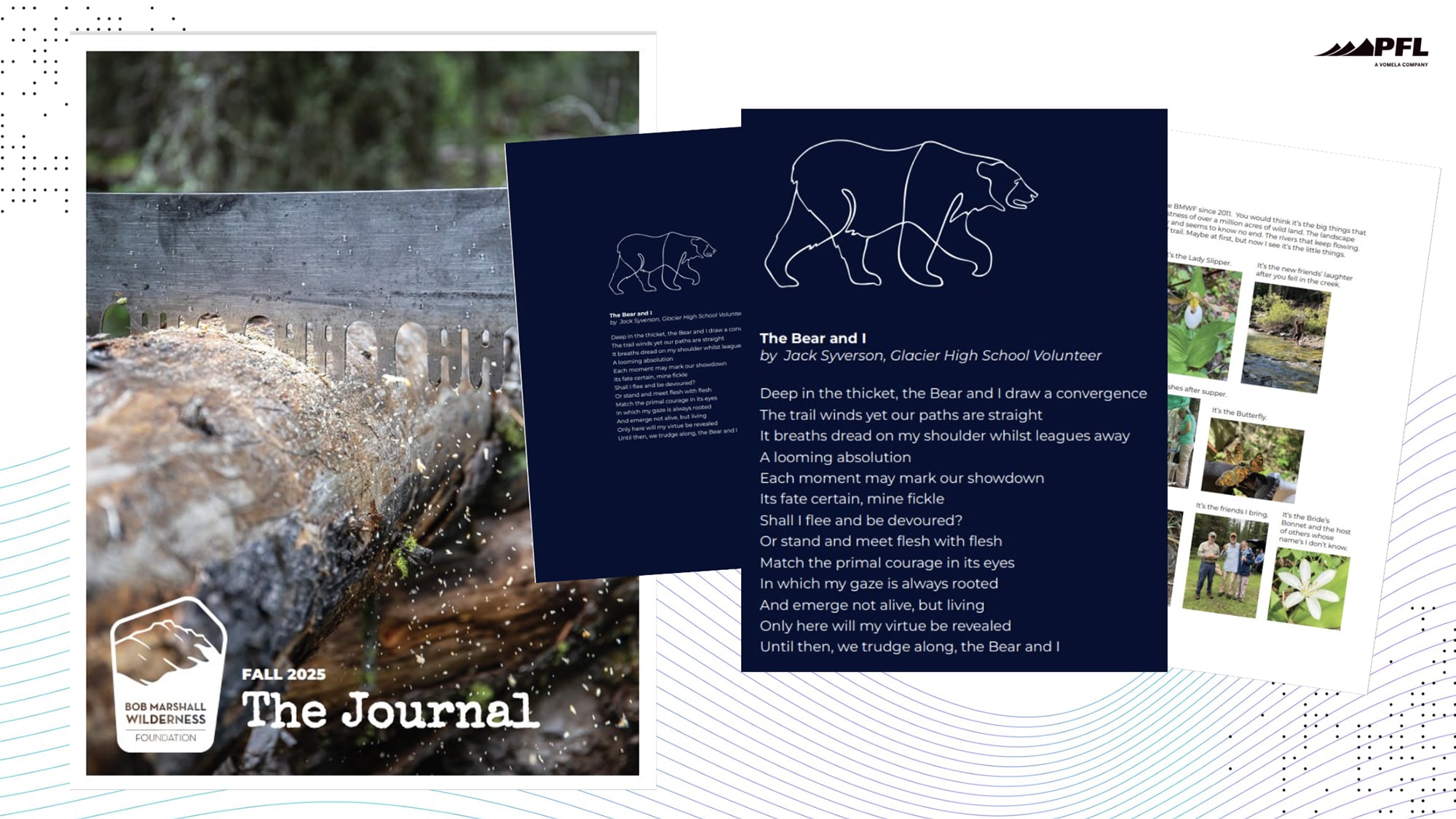
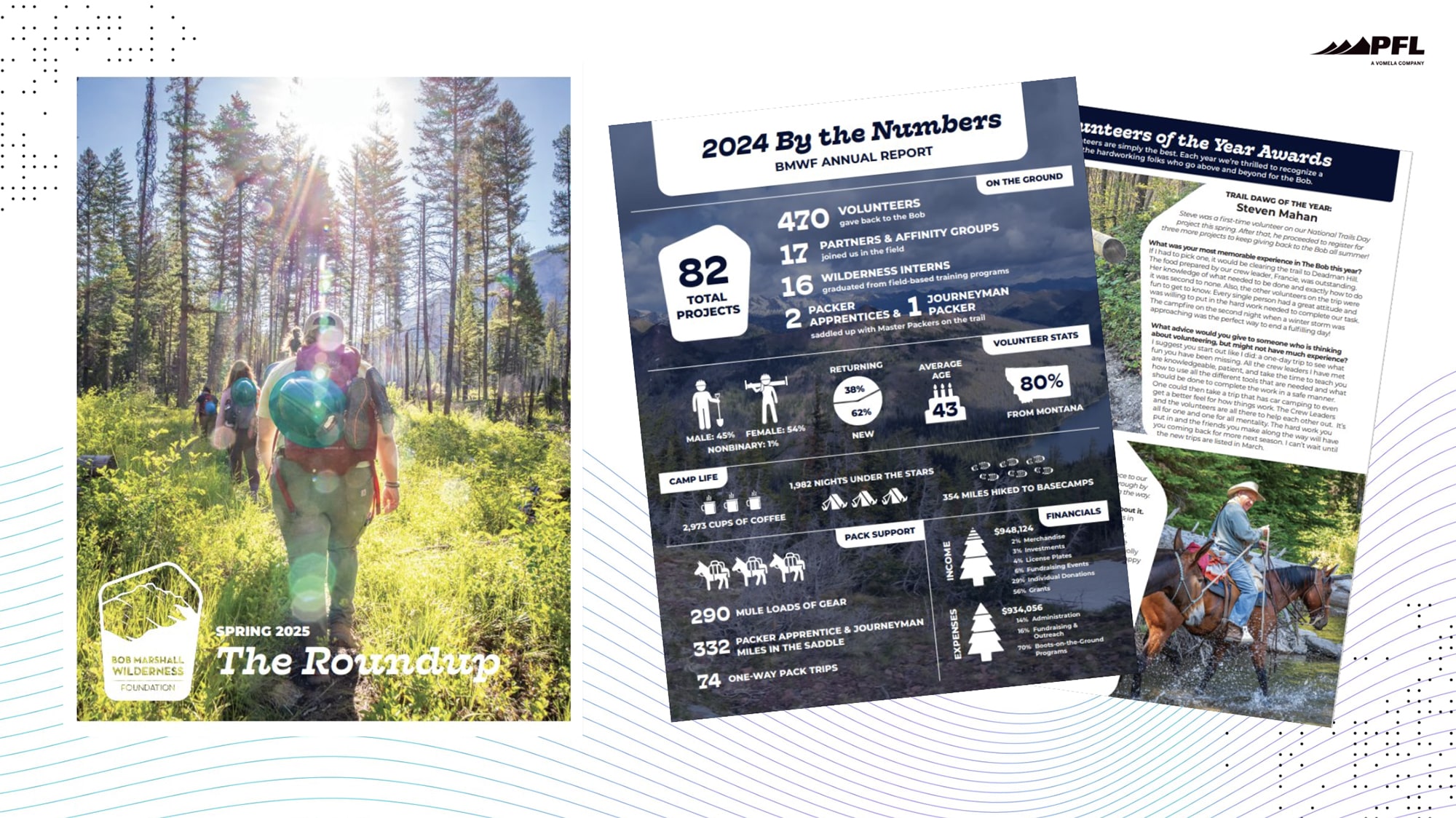
BMWF's direct mail program centers on two complementary publications that serve distinct purposes within their donor communication ecosystem. The Spring "Roundup," distributed each March, functions as an annual report hybrid—documenting the previous year's accomplishments while setting expectations for the upcoming season. This publication emphasizes metrics: trail miles cleared, volunteer hours logged, specific project outcomes. Crucially, it includes comprehensive donor recognition, listing supporters by name rather than relegating acknowledgments to a footnote.
The Fall "Journal" takes a deliberately different approach. Rather than focusing on quantitative impact, it explores the qualitative aspects of wilderness stewardship through contributor submissions—essays, poetry, photography, and artwork from volunteers, seasonal staff, and interns. This creates a publication that transcends typical nonprofit communications, becoming something recipients might display and revisit rather than immediately discard.
Together, these publications create what Siems calls "balanced truth"—one proving measurable impact, the other demonstrating why that impact matters on a human level.
Design Principles That Drive Engagement
BMWF's direct mail success stems from design decisions that respect both their audience and medium. Key principles include:
- Strategic use of white space: Rather than cramming content to maximize perceived value, BMWF embraces restraint. Clean layouts with generous margins improve readability and create a sense of calm that aligns with their wilderness mission.
- Photography as narrative: High-quality images carry significant storytelling weight, reducing the need for excessive text while providing visual proof of work completed and landscapes preserved.
- Authentic voice through contributor content: By featuring volunteer perspectives and creative submissions, BMWF avoids the institutional tone that plagues many nonprofit communications. Personal stories create emotional connections that statistics alone cannot achieve.
- Minimal fundraising pressure: While donation mechanisms exist (QR codes, reply envelopes, etc.), they remain secondary to the primary goal of engagement and education. This approach positions donors as partners rather than revenue sources.
Measurable Impact on Donor Behavior
The effectiveness of this strategy becomes clear through donor response patterns. Siems shared an illustrative example: After receiving the “Journal,” one supporter called to discuss a highlighted program that resonated personally—and subsequently increased their donation tenfold. While such dramatic increases aren't everyday occurrences, they indicate the power of thoughtful, personalized communication to drive meaningful engagement.
BMWF has also observed that donors who receive both publications show higher retention rates and more consistent giving patterns than those engaged through digital channels alone. The physical nature of print creates what Siems describes as "permission to linger"—recipients spend more time with content they can hold versus content they scroll past.
Addressing Sustainability Concerns
For an environmental organization, using print communication raises obvious questions about sustainability. BMWF addresses this directly by partnering with environmentally conscious printers like PFL, using recycled materials, and being transparent about their choice. They position print not as contradictory to their mission but as aligned with their audience's values—people who seek wilderness experiences often appreciate tangible, non-digital communication that mirrors the offline nature of their work.
Transferable Lessons for Nonprofit Communications
BMWF's approach offers several insights applicable beyond wilderness conservation:
- Audience alignment drives design: Understanding that their supporters value simplicity and authenticity, BMWF creates publications that reflect these preferences rather than following generic nonprofit templates.
- Consistency builds trust: The predictable cadence of spring and fall publications creates anticipation and establishes direct mail as a reliable touchpoint rather than sporadic solicitation.
- Content strategy matters more than frequency: Two substantial, purposeful mailings per year generate more engagement than monthly generic appeals.
- Integration enhances impact: While digital channels handle urgent updates and quick engagement, print provides depth and permanence that complements rather than competes with online communication.
The Bob Marshall Wilderness Foundation's direct mail strategy demonstrates that in an increasingly digital world, physical mail can serve as a powerful tool for building lasting donor relationships—particularly when the work itself happens far from public view. By treating direct mail as a storytelling medium rather than merely a fundraising channel, BMWF has created a communication system that makes invisible work visible and transforms distant supporters into engaged partners in wilderness preservation.