
Part 3: The Power of Direct Mail in 2026: Types & Benefits of Catalogs

In Part 1 of this series: “The Power of Direct Mail,” we explored the five main types of direct mail marketing; in Part 2: “Types & Benefits of Postcards,” we looked at the optimal use of postcards in specific campaigns and how to use direct mail automation as part of a cohesive omnichannel strategy.
Here we’ll be taking a deep dive into the types and benefits of catalogs in 2026, highlighting how direct mail automation helps achieve marketing success.
There was a time when the only alternative to walking into a brick-and-mortar store was to order whatever you wanted from a catalog and have it shipped to you. And if that strikes you as a sort of antiquated, pre-digital Amazon experience, you could be missing something very special.
Author Kristy Archibald, in a well-crafted article on Nuvo, had this to say about the sheer power and romance of the catalog:
“For many of us, it’s hard to imagine a world without online shopping and speedy deliveries right to our doorsteps…. But the concept of long-distance shopping goes back to the time of the early railroads. Mail-order catalogues were the way to shop from home for more than a century…. Kids would live for the arrival of [these] magazines every year to see what new toys and clothing styles were available and spend hours perusing and highlighting items for their holiday wish list—a tangible version of Pinterest and IG shopping.”
(Read more here about holiday and Christmas marketing options.)
So even in our digital age, direct mail catalogs remain a powerful tool for engaging customers and driving sales. They are a highly attractive answer to digital saturation and scroll-fatigue. With consumers—including young consumers— increasingly overwhelmed by digital ads, print becomes a tactile break from the “noise” and a much more intimate experience.
With their physical nature and ability to showcase products in a visually appealing format, direct mail catalogs offer a unique advantage in marketing. Here’s a look at some best practices, benefits, and strategic uses of direct mail catalogs—to help you optimize your omnichannel marketing while personalizing sends and measuring results.
Catalogs Drive Engagement and Sales
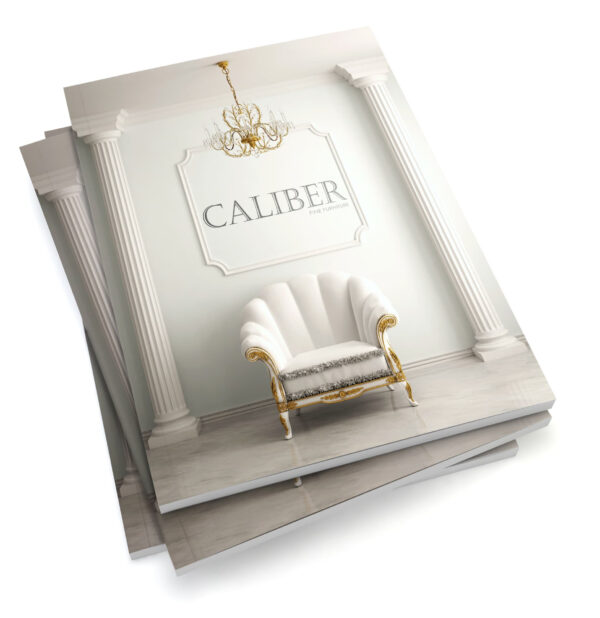
Direct mail catalogs are, simply, a type of direct mail marketing that involves sending printed catalogs to potential customers. These catalogs can vary in size, design, and content, but their primary goal is to present products or services in an appealing manner to drive customer engagement and sales.
Catalogs can serve many purposes, such as:
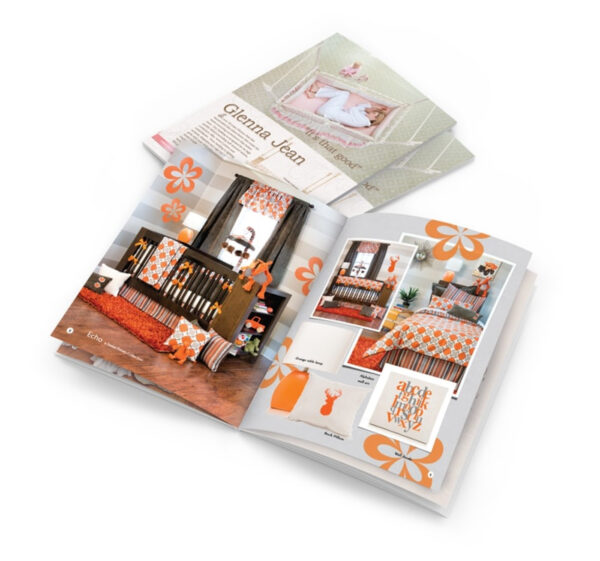
- Product Catalogs: These highlight a range of products with detailed descriptions, enticing images, and pricing.
- Service Catalogs: Often used by businesses such as spas, salons, consulting firms, or any service company, they focus on showcasing the power and value of the services offered.
- Seasonal Catalogs: Taking advantage of the time of the season, these are designed for specific times of year or holidays by displaying items customers and prospects would desire for the season.
- Specialty Catalogs: Niche markets or specific demographics can be targeted with offerings tailored just for them.
Optimal Size and Effective Design
The size and design of your catalog can significantly impact its effectiveness. Here are some tips for choosing the right size and design:
- Standard Sizes: Common sizes include 5.5” x 8.5”, 8.5” x 11”, and 11” x 17”. The choice often depends on your budget and the amount and type of content you want to include.
- Design Elements: High-quality images, clear typography, and consistent branding are crucial. Use a clean layout that guides the reader’s eye through the catalog and images that show off the products well.
- Cover Design: A compelling cover with a strong call-to-action (CTA) can grab attention and entice recipients to open the catalog and engage.
- Interactive Features: Include QR codes or personalized URLs (PURLs) to drive online engagement and track responses.
Cost-Effective Printing Strategies
Printing costs can vary based on all the above, but there are some basic strategies that can be used to manage expenses while maintaining quality:
- Bulk Printing: Ordering larger quantities can reduce the cost per catalog, but it’s also good to work with a printer, such as Printing for Less, that offers short run catalog printing in quantities of 250 or less at affordable prices.
- Paper Quality: Choose a paper stock that balances cost with the desired aesthetic. For instance, while gloss finishes can enhance visual appeal and perception, they can be somewhat expensive. Budget and audience will determine the best choice.
- Binding Options: Explore binding your catalog in a way that will fit your budget. Options include perfect binding, square back binding or Wire-O binding—all interesting alternatives to standard saddle stitching or coil binding.
- Efficient Layout: Optimize your design to fit more content on fewer pages without compromising readability.
Integrating Catalogs with Digital Campaigns
Physical marketing with direct mail, when appropriate, can be integrated with digital campaigns to amplify your marketing reach in these ways:
- Multi-Channel Marketing: Use catalogs to complement your online campaigns, creating a cohesive customer experience across different platforms.
- Personalization: Utilize variable data printing to personalize catalogs with customer names, purchase history, or tailored recommendations.
- Tracking and Analytics: Incorporate tracking mechanisms, such as PURLs or QR codes to measure the catalog’s impact and gather other data about customer preferences.
Catalog Marketing Successes
Real-world examples demonstrate the effectiveness of direct mail catalogs:
- Retail Brands: Many retail brands successfully use catalogs to drive in-store and online sales.
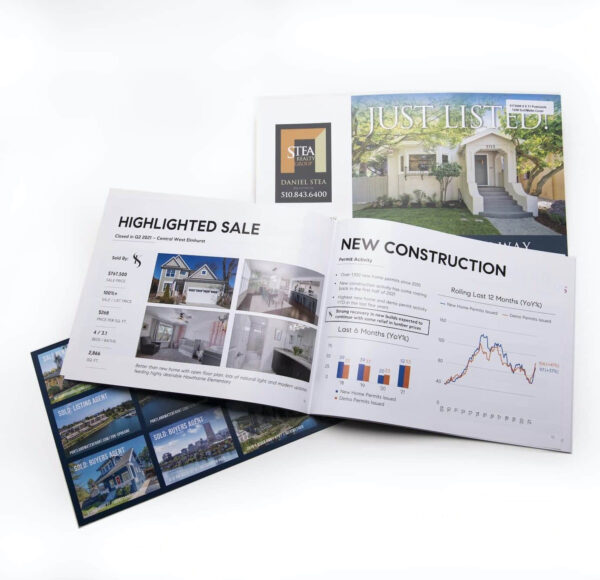
- Realtors: Realtors use direct mail catalogs to showcase property listings, generate leads, and increase client engagement.
- Non-Profits: Non-profits leverage catalogs for fundraising, combining compelling stories with donation options to drive contributions.
Best Practices for Creating Impactful Catalogs
To create a catalog that resonates with your audience, here are some of the best practices we’ve developed over the years:
- Know Your Audience: Tailor the content and design to the preferences and needs of your target audience.
- Use Strong CTAs: Include clear and compelling calls-to-action that guide recipients on to the next step—whether it’s visiting a website, making a purchase, or contacting your business.
- Maintain Consistent Branding: Consistency in colors, fonts, and messaging to reinforce brand identity is an imperative to be remembered.
- Testing: Conduct A/B testing with different designs or offers to determine what resonates best with your audience.
Don’t Forget to Mail Them
When it comes to mailing your catalogs, you have several options:
- Every Door Direct Mail (EDDM): This USPS service allows you to target specific neighborhoods without needing a mailing list, making it cost-effective for reaching local customers.
- Targeted Mailing Lists: Purchase or rent mailing lists to reach specific demographics or customer segments; or simply utilize your own first-party customer/CRM data via the automated direct mail process.
- Mailing Services: Utilize professional mailing services to handle printing, addressing, and delivery, ensuring a streamlined process.

‘More Than a Catalog’
Finally, a catalog can transcend its traditional role by incorporating informational content that provides ideas for using the products or services offered. By including tips, tutorials, and pertinent use-case scenarios, a catalog can offer the recipient practical guidance and creative inspiration in a context where immersion rather than distraction dominates.
This approach not only enhances the perceived value of the catalog but also helps customers envision how the products can fit into their own lives or businesses, ultimately driving engagement and sales.
Direct mail catalogs offer a versatile and effective way to engage customers and drive sales. By choosing the right design, integrating the catalog in some way with digital campaigns, and following best practices, you can maximize the impact of your catalog marketing efforts, no matter what your budget or business.