
Direct Mail Marketing: For “Fund,” Not Profit
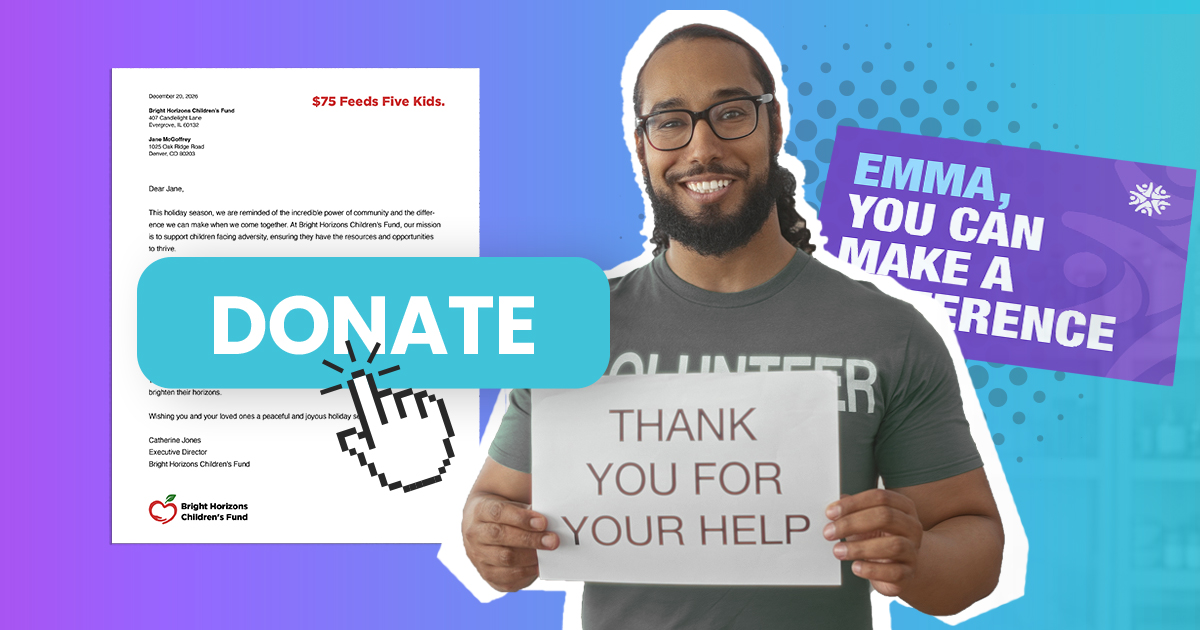
For nonprofits, fundraising isn’t just an occasional effort—it is the lifeline that keeps programs running, communities supported, and missions alive. Whether it’s funding a new shelter, sending relief supplies, or running educational programs, every dollar raised helps bring a vision closer to reality.
In today’s digital‑first world, it can be tempting to think that emails, texting campaigns, and social ads have replaced the more traditional channels. But for many nonprofits, direct mail continues to be one of the most reliable and effective ways to reach donors. A physical letter or postcard in someone’s mailbox has a weight—literally and figuratively—that a fleeting digital message often can’t match. In a time when screens are saturated with information and requests, direct mail offers a tangible, personal, and memorable alternative.
The good news is that organizations can unlock significant funding by pairing direct mail with thoughtful storytelling and strategic timing. Two approaches, in particular, have consistently proven powerful: seasonal campaigns and personalized donation appeals.
Fundraising: A Year‑Round Mission
While certain seasons bring predictable spikes in giving—such as December’s end‑of‑year push—the need for funding never goes away. Programs have ongoing costs, from staffing to supplies, and communities depend on continuous service. Nonprofits that treat fundraising as an ongoing conversation rather than a once‑a‑year appeal tend to have a more stable and resilient donor base.
That conversation happens most successfully when supporters feel connected to your mission. Donors want to know their gifts matter. This means regularly showing them the results of their generosity, telling authentic human stories, and reminding them that their ongoing help truly makes an impact.
Why Direct Mail Still Works in 2025
Direct mail offers a unique advantage in creating these connections. People spend seconds—sometimes less—on an email, but they are more likely to hold a letter, notice the envelope, or read a high-quality printed card. A study by the Data & Marketing Association (DMA) clearly shows that direct mail response rates far exceed those for email marketing, with direct mail achieving average response rates of 4.4 percent to as high as 9 percent, compared with email's sub-1 percent response rate. Specifically, DMA data found direct mail response rates are five to nine times higher than digital, including email.
Furthermore, when direct mail is integrated with digital follow-up, marketing ROI and conversion rates multiply: According to DMA, integrating direct mail with digital campaigns can lead to a 40 percent increase in conversion rates compared with digital alone. Integration tactics such as including QR codes or personalized URLs in mail pieces boost both engagement and measurable outcomes. So, it’s not about rejecting online tools. Rather, direct mail acts as a strong anchor in a multichannel strategy, a touchpoint that adds emotional depth and credibility to your mission’s outreach.
Seasonal Campaigns: Harnessing Key Giving Moments
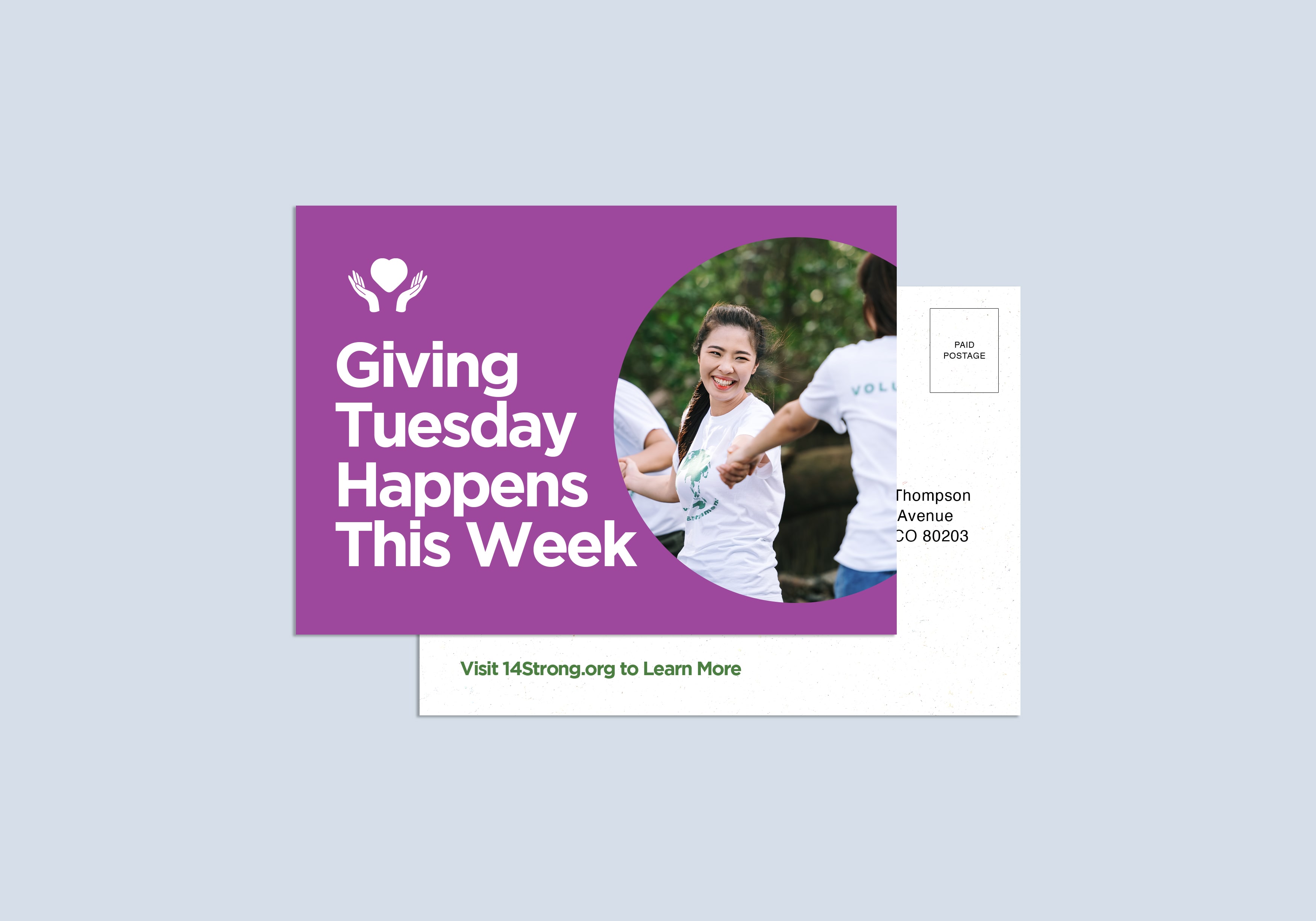
One of the most effective direct mail plays is the seasonal or holiday giving appeal. Imagine a postcard arriving just before Thanksgiving with the headline: “Give Hope This Holiday Season.” The imagery—warm meals being shared, children in cozy coats—connects immediately with the spirit of the season. The copy could invite the recipient to be part of a time‑sensitive goal, such as providing 500 holiday meals by December 31st.
This sense of occasion and urgency is why campaigns around Thanksgiving, Christmas, Hanukkah, Kwanza, and New Year’s, and nationally recognized giving days such as Giving Tuesday are so successful. Donors are already in a mindset of generosity and reflection. However, industry sources widely report that matching gift offers and themed mailers often lead to double-digit lifts. For example, “Double the Donation’s” research regularly finds that matching gift requests in fundraising appeals boost response rates by 71 percent and average gift amount by more than 50 percent.
Further, by using thematic design tied to the season and emphasizing deadlines, organizations can prompt immediate responses and create a noticeable boost in donations during key months of the year.
Personalized Donation Appeals: Making It One‑to‑One
Another highly effective approach is the personalized donation letter. Rather than sending the same message to everyone, industry advice encourages nonprofits to use personal stories, highlight tangible outcomes for donations (such as housing, supplies, counseling), and close with direct calls to action. These and other such tactics frequently improve response rates.
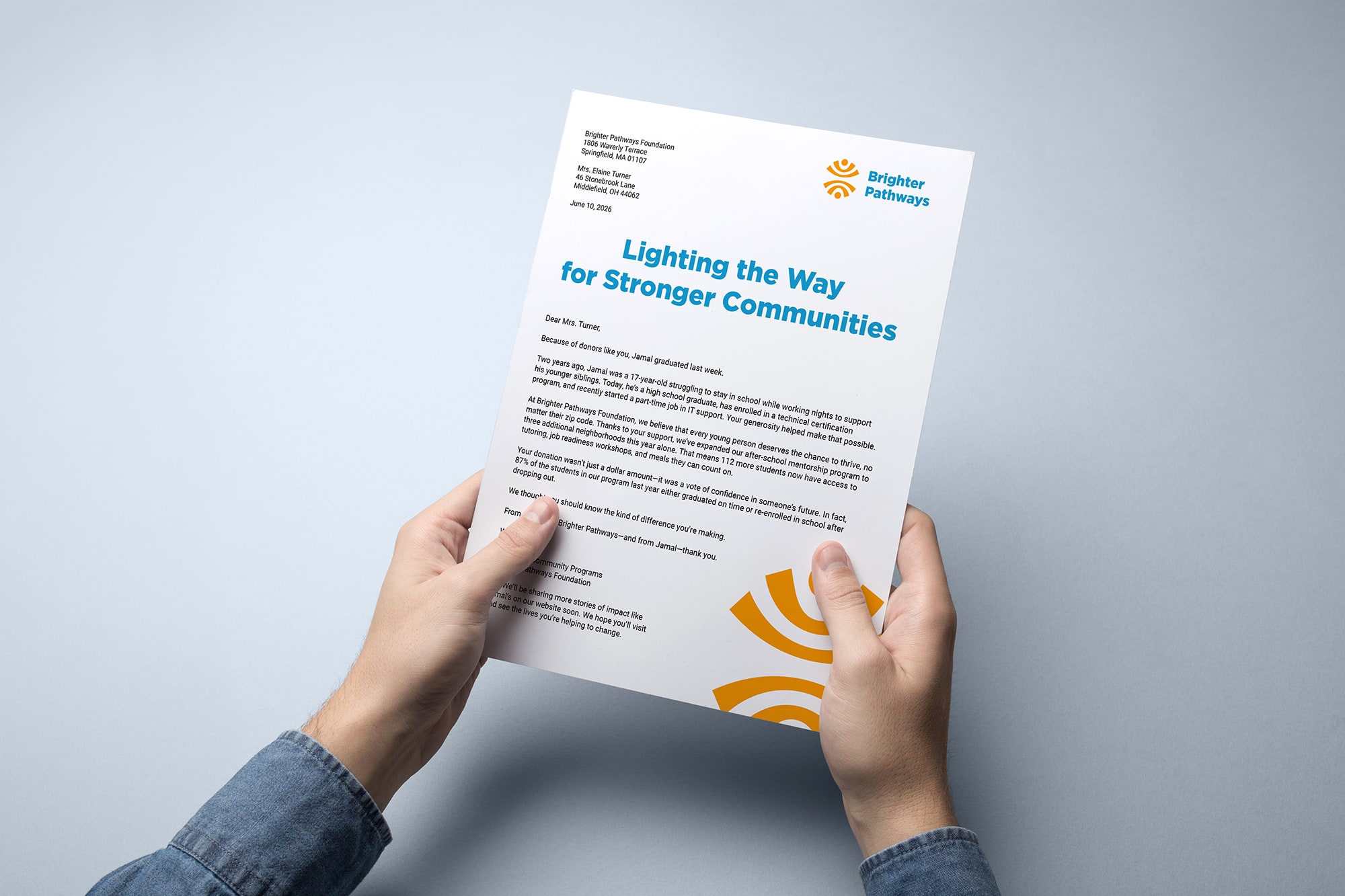
When a letter shows a clear link between the donor’s past generosity and a real human result, the recipient feels valued, appreciated, and inspired to act again. Adding a photograph, a brief thank‑you note from the beneficiary, or an infographic illustrating the impact can make the effect even stronger.
Bringing It Together for Year‑Round Impact
Neither seasonal campaigns nor personalized appeals need to live in isolation. A nonprofit might start the year with an “Impact Report” mailed to donors, follow up in the spring with a personalized thank‑you and project update, launch a summer giving challenge, and then roll out a holiday appeal tied to a matching campaign. Each piece builds on the last, creating a rhythm of touchpoints that keeps donors engaged.
Direct mail’s physical, personal quality allows it to leave a lasting impression. When integrated with digital components—such as emails reinforcing the story told in a mailed letter, or personalized landing pages linked via QR code—the combination can significantly increase engagement and conversion.
For nonprofits, the takeaway is clear: fundraising is a marathon, not a sprint. The most successful organizations don’t see direct mail as an outdated tool; they see it as an essential part of a relationship‑building strategy.
If you want to grow your donor base, retain your loyal supporters, and ensure your mission has the resources it needs, rethink the role of mail in your fundraising plan. Seasonal campaigns can inspire generosity when giving is already in the air. Personalized appeals can deepen the emotional connection donors have with your cause. Together, they give your organization a year‑round engine for impact.